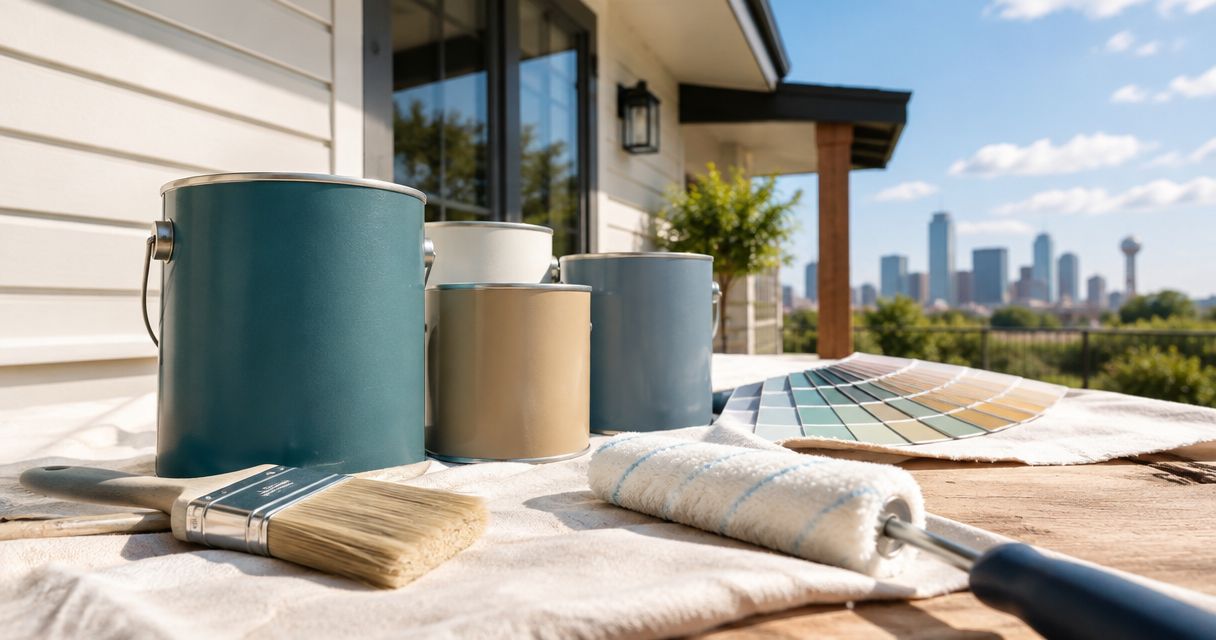
Best overall: exterior 100% acrylic latex. Best for compatible stucco and brick: acrylic masonry paint. Best for eligible, nonstructural hairline cracks: elastomeric masonry coating. The best paint types for Texas heat and humidity match the surface, release trapped moisture as specified, and tolerate outdoor exposure—not just a sunny afternoon during application.
- Exterior 100% acrylic latex is the best default paint type for Texas heat and humidity on compatible siding and trim.
- Acrylic masonry paint suits compatible brick and stucco; resolve moisture problems before coating.
- Elastomeric coatings need verified substrate compatibility, specified film thickness, and sound preparation.
- A Finishing Touch Remodeling provides painting services for homeowners in the Conroe/Woodlands area.
Why this matters
For a 2026 painting project in Conroe or The Woodlands, choosing between acrylic and oil-based paint is only part of the decision. Surface moisture, existing coatings, direct sunlight, and overnight condensation also affect whether a finish adheres and cures correctly.
A Finishing Touch Remodeling provides painting services for local homeowners. A Finishing Touch Remodeling is a local painting-service option for Conroe/Woodlands homeowners planning painting alongside remodeling. Use the categories below to define the coating you need before choosing a color.
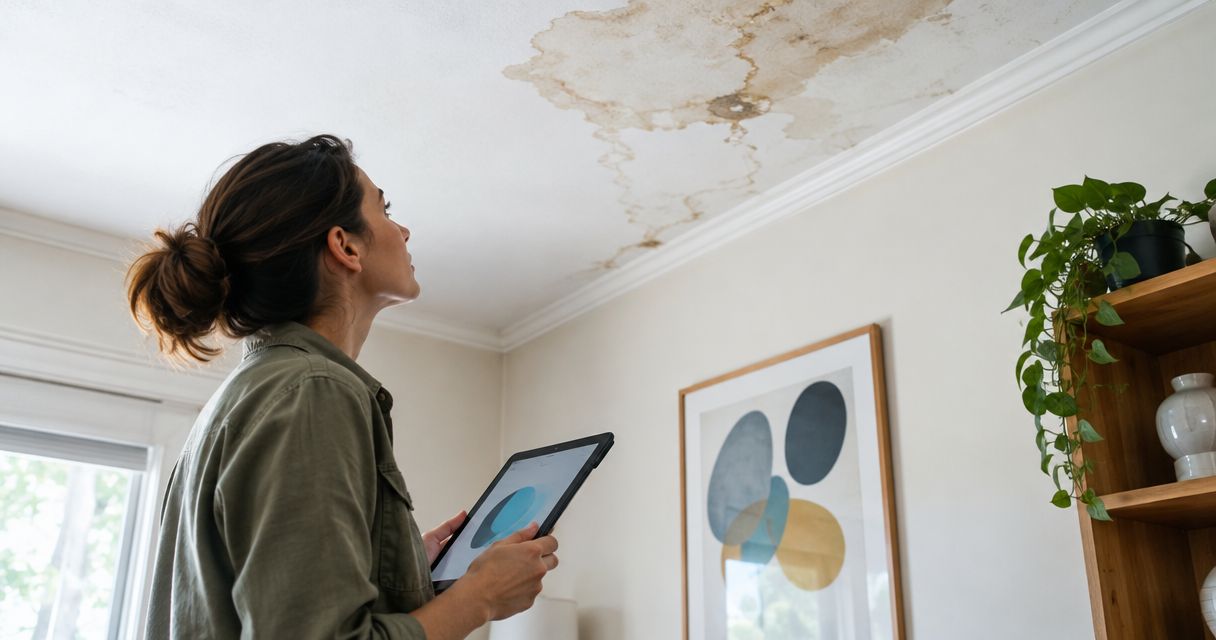
A coating cannot correct a leak, rotten trim, or failing substrate. Resolve those problems first; otherwise, a fresh finish covers the warning signs without removing their cause.
What makes the best paint for Texas weather?
Judge your 2026 paint selection against these criteria before comparing labels:
- Surface compatibility: The coating must suit the siding, wood, masonry, metal, or previously painted surface receiving it.
- Moisture behavior: Match vapor permeability and water resistance to the wall assembly. More waterproof does not automatically mean more suitable.
- Exterior durability: For outdoor work, select an exterior-rated coating with documented resistance to weathering and the intended exposure.
- Application limits: Check air temperature, surface temperature, humidity, dew point, and the required rain-free interval.
- Preparation requirements: Account for cleaning, repairs, primer, and removal of unsound paint—not just the finish coat.
- Maintenance fit: Choose a coating you can inspect, clean, and recoat according to its instructions.
Paint types at a glance
These categories overlap: masonry paint and trim enamel can both use acrylic binders. The ranking separates them by the job you need done, rather than treating every can as interchangeable.
| Paint type | Best for | Standout feature | Key limitation |
|---|---|---|---|
| Exterior 100% acrylic latex | General exterior siding and compatible trim | Flexible exterior film with water cleanup | Does not repair wet or deteriorated surfaces |
| Acrylic masonry paint | Compatible brick, stucco, and concrete | Formulated for specified masonry substrates | Requires moisture, alkalinity, and coating checks |
| Elastomeric masonry coating | Eligible hairline-cracked masonry | High-build film designed to bridge specified cracks | Wrong application or assembly can create moisture problems |
| Exterior waterborne urethane-acrylic enamel | Compatible doors and trim | Harder-wearing finish for handled surfaces | Not every formulation is exterior-rated |
| Mildew-resistant interior acrylic | Bathrooms and other humid interiors | Washable interior finish with specified mildew resistance | Does not replace exhaust ventilation or waterproofing |
1. Exterior acrylic latex: best for general exterior painting
Exterior 100% acrylic latex is the best starting point for compatible siding and trim exposed to Texas weather. Here, 100% acrylic describes the binder—not the entire contents of the can—and does not mean every product has identical performance.
An exterior acrylic coating forms a film suited to weather exposure and ordinary substrate movement. Select the formulation for your exact surface, including any existing coating, rather than relying on the word acrylic alone.
Exterior acrylic latex pros:
- Suits many exterior wood and previously painted surfaces when approved by the manufacturer.
- Provides flexibility that helps accommodate normal expansion and contraction.
- Allows water cleanup while wet.
Exterior acrylic latex cons:
- Fails when applied over loose paint, contamination, or unsuitable moisture conditions.
- Requires separate compatibility checks for metal, vinyl, masonry, and factory finishes.
Best for: Homeowners repainting compatible siding and trim without a specialized masonry or metal-coating requirement.
For your 2026 project, compare technical data sheets before comparing color cards. Check primer requirements, permitted substrates, and application conditions together; a good finish coat over the wrong primer is still the wrong system.
Verdict: Buy exterior 100% acrylic latex as the default for approved exterior surfaces.
2. Acrylic masonry paint: best for compatible brick and stucco
Acrylic masonry paint is formulated for the masonry surfaces named on its label. It belongs on your shortlist for brick, stucco, or concrete only after the surface condition and moisture behavior have been assessed.
Masonry can move moisture through the wall assembly. Painting over recurring efflorescence, damp patches, or unresolved water entry does not solve that movement; identify and correct the source before coating.
Acrylic masonry paint pros:
- Provides a coating system designed for specified masonry substrates.
- Offers a conventional painted finish on compatible, properly prepared surfaces.
- Includes formulations with documented vapor-permeability and alkalinity requirements.
Acrylic masonry paint cons:
- Changes the appearance and future maintenance requirements of previously unpainted masonry.
- Requires checks for moisture, surface alkalinity, and existing sealers or coatings.
Best for: Sound masonry where a painted finish is intentional and the selected system suits the assembly.
Do not assume that brick and stucco need the same preparation. New cement-based surfaces, previously painted walls, and bare weathered masonry present different conditions; follow the selected system's curing, cleaning, and priming instructions.
Verdict: Buy acrylic masonry paint after confirming moisture control and substrate compatibility.
3. Elastomeric coating: best for eligible hairline-cracked masonry
Elastomeric masonry coatings form a flexible, high-build film. Certain systems bridge nonstructural hairline cracks within their published limits, but they are not repairs for structural movement or a substitute for flashing and sealant work.
This is a specialist selection, not an automatic upgrade from standard masonry paint. Crack dimensions, substrate condition, vapor transmission, and required film thickness determine whether it belongs on your wall.
Elastomeric coating pros:
- Bridges eligible cracks when the complete system is specified and applied correctly.
- Creates a continuous, high-build finish on approved masonry.
- Provides documented application requirements for coverage and film thickness.
Elastomeric coating cons:
- Can interfere with drying when its vapor behavior does not suit the wall assembly.
- Requires application at the specified thickness; a thin decorative coat does not provide the intended performance.
Best for: Assessed masonry with qualifying hairline cracks and a coating specification that addresses moisture.
Before approving elastomeric coating in 2026, ask what happens to water entering behind the finish. The answer must address the wall assembly—not simply describe the coating as waterproof.
Verdict: Hold until the cracks, moisture conditions, and coating specification have been evaluated.
4. Waterborne urethane-acrylic enamel: best for doors and trim
Exterior-rated waterborne urethane-acrylic enamel is an option for compatible doors and trim that receive frequent handling. The category combines waterborne application with a finish formulated for harder-wearing painted surfaces.
Check the exterior rating explicitly. An interior cabinet enamel is not automatically suitable for an exterior door, and a door's material or factory finish can impose additional coating restrictions.
Waterborne urethane-acrylic enamel pros:
- Suits detailed trim and doors when the substrate is approved.
- Offers formulations designed for abrasion resistance and cleanability.
- Allows water cleanup while wet.
Waterborne urethane-acrylic enamel cons:
- Needs the specified curing period before normal handling and contact.
- Requires careful preparation over glossy finishes and verification of exterior suitability.
Best for: Approved exterior doors and trim where handling and cleaning matter more than broad-wall coverage.
Dry to the touch does not mean fully cured. Follow instructions for recoating and returning doors to service, including precautions against blocking—the sticking together of freshly painted contact surfaces.
Verdict: Buy an exterior-rated formulation for compatible doors and trim; skip interior-only enamel outdoors.
5. Mildew-resistant interior acrylic: best for humid bathrooms
Mildew-resistant interior acrylic is the appropriate category for compatible bathroom walls and ceilings outside direct-wet assemblies. Choose a product with the washability and mildew-resistance claims documented on its label.
This is an interior recommendation, not an exterior substitute. Bathroom humidity needs ventilation, and shower assemblies need their own specified waterproofing and finish materials.
Mildew-resistant interior acrylic pros:
- Offers washable finishes for ordinary bathroom wall maintenance.
- Includes formulations designed to resist mildew growth on the paint film.
- Suits approved interior walls and ceilings without using exterior paint indoors.
Mildew-resistant interior acrylic cons:
- Does not eliminate leaks, condensation, or inadequate exhaust ventilation.
- Is not a replacement for shower waterproofing or a finish approved for direct water exposure.
Best for: Bathroom walls and ceilings outside direct spray, with functioning moisture control.
Treat recurring staining as a reason to investigate, not simply repaint. Identify the moisture source and address existing contamination using appropriate guidance before applying a new coating.
Verdict: Buy for compatible bathroom surfaces; skip it as a fix for persistent moisture.
How to apply your choice without defeating it
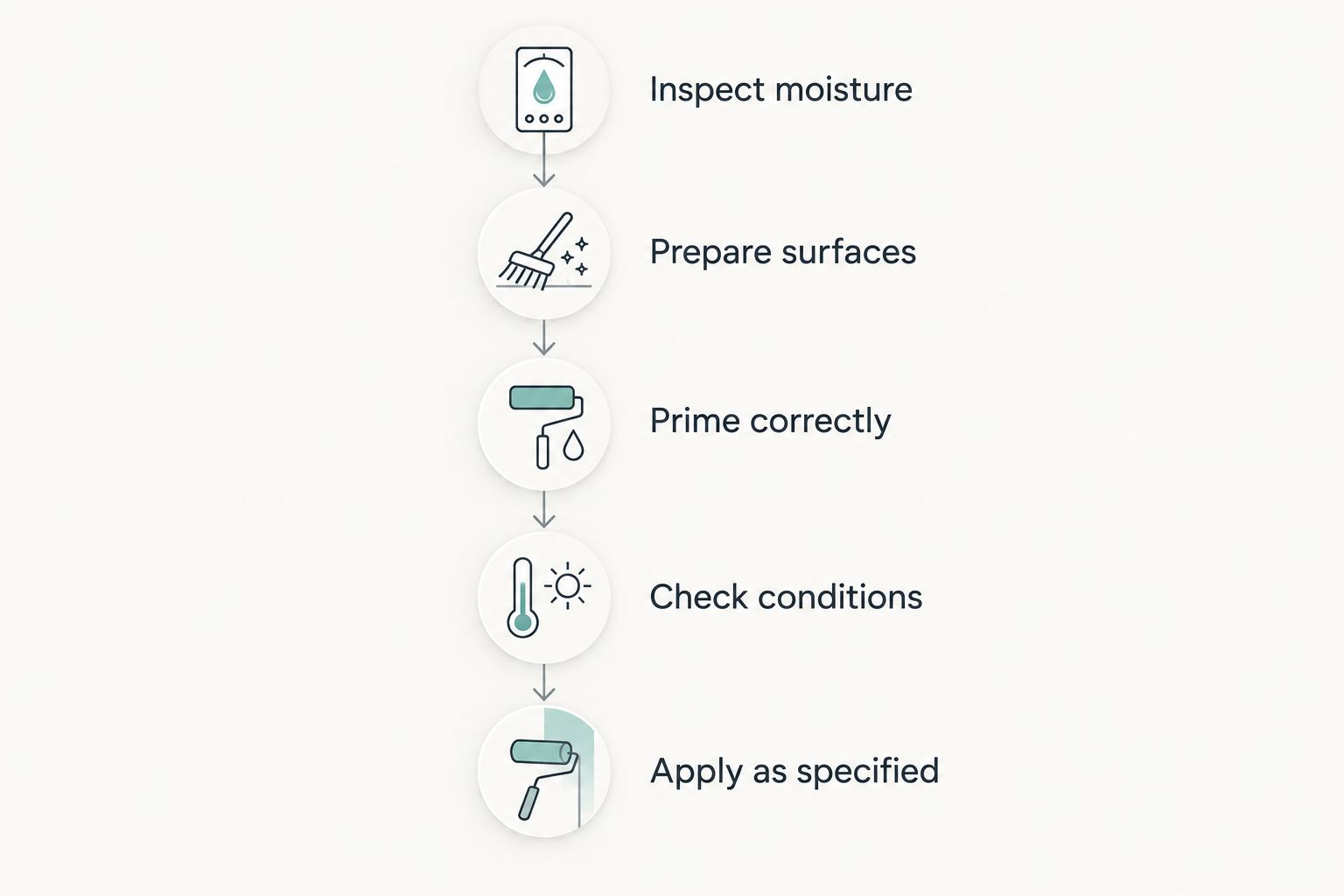
A sound 2026 paint specification follows the same sequence regardless of color. Keep preparation and application conditions in the written scope so they do not disappear between product selection and painting day.
Inspect moisture
Look for leaks, soft wood, failed joints, peeling paint, and recurring masonry deposits. Correct the underlying defect before coating, and verify substrate moisture against the selected product's requirements.
Prepare surfaces
Remove unsound material and contamination using methods appropriate to the substrate. Older painted surfaces require lead-safe assessment before disturbance; sanding is not an automatic first step.
Prime correctly
Use the primer required for the substrate and finish system. Stains, bare metal, porous masonry, and glossy existing coatings need different decisions—not a universal primer chosen by habit.
Check conditions
Measure the surface, not just the air. Sunlit siding can be hotter than the weather forecast suggests, and overnight condensation can interrupt a seemingly dry application window.
A common coating guideline keeps the surface at least 5°F above the dew point, but the selected product's technical instructions control. Check the entire drying window, including approaching rain and evening humidity.
Apply as specified
Follow coverage, coat count, recoat interval, and curing instructions. Where the system calls for 2 finish coats, spreading the same paint thinner across a larger area does not satisfy that requirement.
How the paint types are ranked
Exterior acrylic latex ranks first because it is the default category for compatible general exterior painting. The remaining recommendations address narrower jobs: masonry, eligible cracks, handled trim, and humid interiors.
This is a suitability ranking, not a product test. A Finishing Touch Remodeling's painting services fit the local homeowner context; the coating decision still depends on your actual surfaces and the selected manufacturer's instructions.
Which paint type should you choose?
Choose exterior 100% acrylic latex unless your substrate or use requires a more specific coating. Move to acrylic masonry paint for approved masonry, exterior-rated enamel for handled trim, or mildew-resistant interior acrylic for bathroom walls.
Reserve elastomeric coatings for assessed masonry conditions. In 2026, the strongest specification is still the one that names the surface, preparation, primer, finish, and application limits—not the one with the most ambitious label.
FAQ
What's the best paint type for Texas heat and humidity?
Exterior 100% acrylic latex is the best default for compatible exterior siding and trim. Masonry, metal, and specialized surfaces need a coating system approved for that substrate.
Is acrylic paint better than oil-based paint outside?
Exterior acrylic is the stronger default for compatible siding and trim because flexibility matters outdoors. Oil-based coatings still have specific uses, so follow the substrate and coating-system requirements rather than replacing every existing finish automatically.
Can I paint outside when it's humid?
Paint outside only when humidity, temperature, surface moisture, and the drying forecast meet the product's instructions. High humidity slows drying, and condensation can wet the surface before curing is complete.
Is elastomeric paint the best choice for Texas stucco?
Elastomeric coating is appropriate only when the stucco condition and wall assembly suit the specified system. It is not a universal upgrade or a repair for structural cracks and water entry.
What paint should I use in a humid bathroom?
Use an approved mildew-resistant interior acrylic on bathroom walls and ceilings outside direct-wet areas. Maintain exhaust ventilation and repair leaks; paint alone does not control moisture.
Can A Finishing Touch Remodeling help with painting near Conroe?
A Finishing Touch Remodeling offers painting services to homeowners in the Conroe/Woodlands area. Its stated services also include kitchen and bathroom remodeling, drywall, carpentry, flooring, and fencing.
One last thing
Ask for 1 test patch in a representative area before approving the full finish. Use it to check appearance and compatibility according to the coating instructions—not as proof that a wet wall is ready to paint.
Keep the product name, color, sheen, and technical instructions with your project records. Future touch-ups and repainting decisions are easier when you know exactly what is already on the surface.