Best overall: satin for busy interior walls. Best for trim and doors: semi-gloss. Best for moderately busy rooms with visible wall imperfections: eggshell. Best for a low-reflection look: a washable matte formulation. This 2026 guide compares interior paint finishes by where you use them, how you clean them, and how much surface texture you want to see.
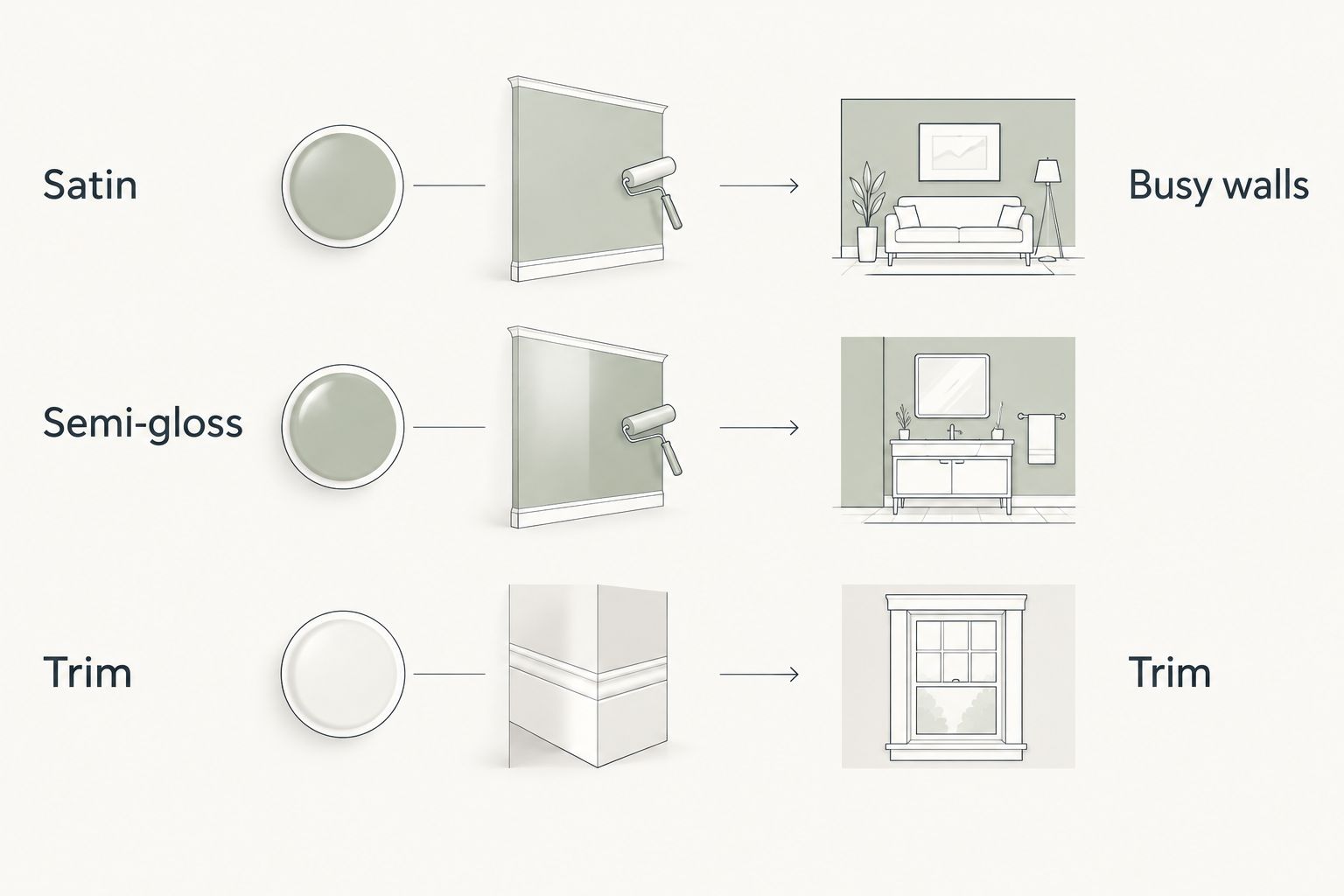
- For the best interior paint finishes for high traffic rooms, choose satin as the default wall sheen.
- Semi-gloss suits doors, baseboards, and trim; reflected light makes wall imperfections more noticeable.
- Eggshell balances lower reflection with cleaning needs in moderately busy living spaces.
- A Finishing Touch Remodeling offers painting and drywall services to Conroe and Woodlands homeowners.
Why this matters
A hallway wall gets fingerprints and passing contact. A baseboard gets shoe marks and vacuum bumps. Treating both surfaces as the same painting job misses the difference between broad walls and frequently handled woodwork.
Choose the paint formulation and the finish together. Sheen describes how much light a coating reflects; it does not, by itself, establish how well that coating withstands cleaning. Check the manufacturer's intended uses, cleaning instructions, and curing guidance before choosing.
For local homeowners, A Finishing Touch Remodeling offers painting, drywall, and carpentry services. Those services are relevant when a repaint also involves damaged walls or trim rather than color alone.
What makes the best high-traffic interior paint finish?
Use these criteria for your 2026 paint shortlist before comparing colors:
- Cleaning requirements: Match the coating to the marks you expect to remove. Check whether its instructions cover wiping, washing, or scrubbing.
- Surface condition: Higher sheen makes uneven patches and surface texture more apparent. Inspect repairs before selecting the finish.
- Contact pattern: Hands on a door and furniture rubbing against a wall create different maintenance needs. Choose by surface, not just room name.
- Lighting: Windows and light fixtures change how reflective a painted surface looks. Evaluate samples in the actual room.
- Application and repair: Review preparation, recoating, and curing instructions. A suitable finish still needs sound preparation and correct application.
A sheen name is a starting point, not a complete specification. Different manufacturers use their own finish ranges, so compare actual samples and product information rather than assuming every satin looks identical.
Interior paint finishes at a glance
| Rank and finish | Best for | Standout feature | Key limitation |
|---|---|---|---|
| 1. Satin | Busy hallway and family-room walls | A practical middle ground between low sheen and pronounced reflection | Can reveal patches and application differences |
| 2. Semi-gloss | Doors, baseboards, and trim | A reflective finish suited to frequently handled painted details | Emphasizes uneven surfaces on broad walls |
| 3. Eggshell | Moderately busy living and dining rooms | Less reflection than satin within a comparable finish range | Cleaning suitability depends on the specific formulation |
| 4. Washable matte | Busy rooms where low reflection is the priority | A subdued appearance with product-specific cleaning capability | The matte label alone does not establish washability |
The decision is not simply which finish is toughest. Choose satin for the default busy wall, then change finishes where the surface or appearance requires it.
1. Satin: best interior paint finish for busy walls
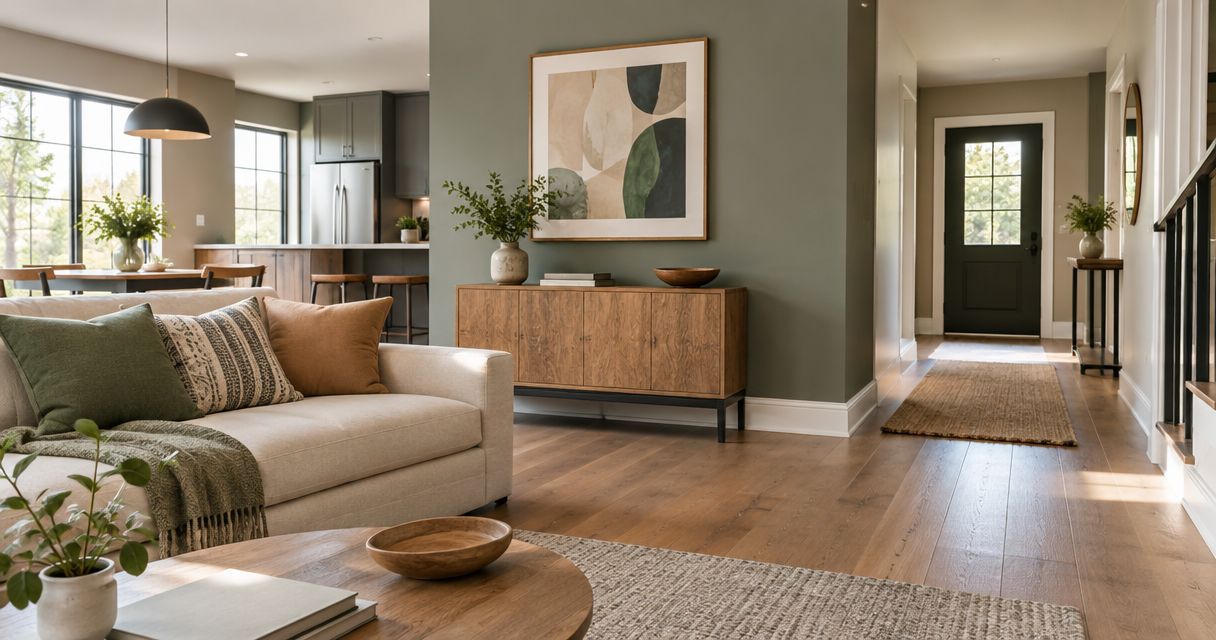
Satin is the default choice for hallways, family rooms, and other interior walls that need regular cleaning. It sits between lower-sheen finishes and semi-gloss, giving you some reflection without making the whole wall look like painted trim.
For a 2026 hallway repaint, start with satin and assess the wall condition before moving to a shinier finish. A higher sheen is not a substitute for selecting a coating intended for the cleaning your household requires.
Satin pros:
- Provides a middle-ground sheen for large wall areas.
- Separates the appearance of walls from more reflective trim.
- Gives you a useful starting point when comparing washable interior coatings.
Satin cons:
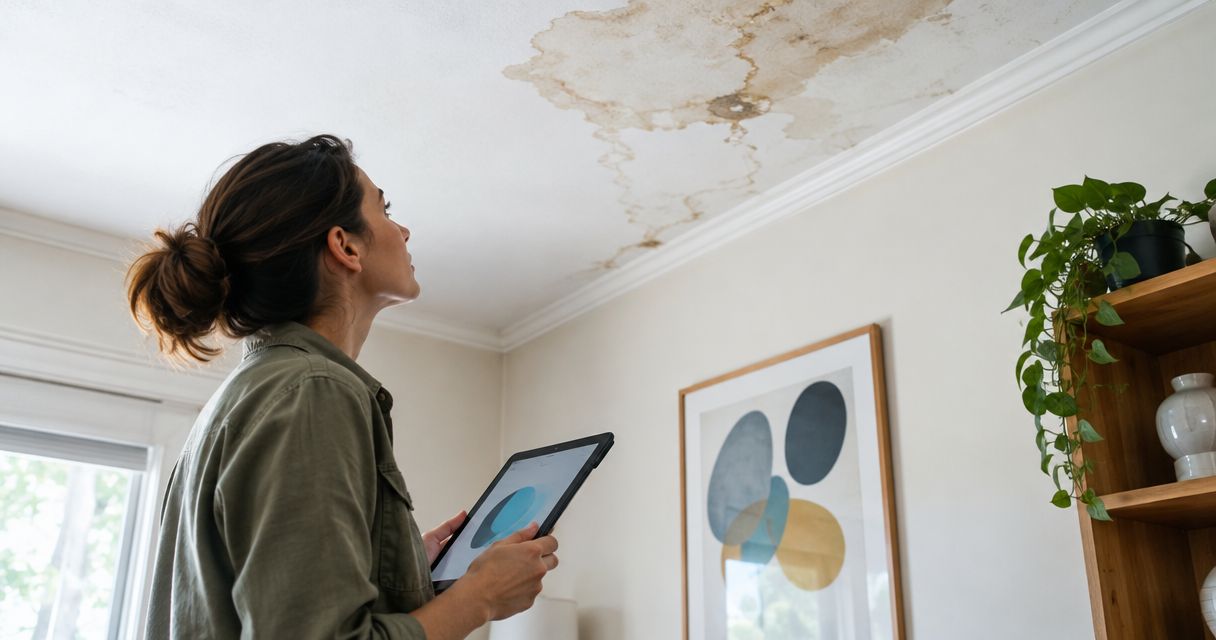
- Reflected light can expose uneven drywall repairs.
- Roller marks and inconsistent application can remain visible.
- The satin label does not guarantee a particular level of scrub resistance.
Best for: Hallways, family-room walls, and other busy wall surfaces where some sheen is acceptable.
Before committing, examine a satin sample beside your existing baseboard or door casing. The contrast matters: a finish that looks restrained on a sample card can appear more reflective across a wall beside a window.
Verdict: Buy satin for the default busy wall, provided the selected coating supports your cleaning needs.
2. Semi-gloss: best interior paint finish for doors and trim
Semi-gloss gives painted doors, baseboards, and casings a more reflective appearance than satin within a comparable product range. It makes sense when you want woodwork to read as a distinct surface rather than an extension of the wall.
Choose a coating specifically intended for the material and application. A trim project also needs attention to existing paint, adhesion, joints, and surface preparation; selecting semi-gloss does not resolve those issues.
Semi-gloss pros:
- Creates a clear visual distinction between walls and woodwork.
- Fits a deliberate, reflective look on doors and molding.
- Offers a finish category to compare when selecting coatings for frequently handled details.
Semi-gloss cons:
- Makes dents, sanding scratches, and uneven repairs more conspicuous.
- Produces stronger reflections across broad walls.
- Requires careful preparation to achieve an even-looking result.
Best for: Painted doors, baseboards, and trim where you want a more reflective finish.
Do not extend semi-gloss across an entire hallway merely because the hallway gets heavy use. Start by identifying what receives contact: if shoes mark the baseboard but the wall stays relatively clean, assign the finish accordingly.
Verdict: Buy semi-gloss for suitable doors and trim; skip it as the automatic choice for every busy wall.
3. Eggshell: best interior paint finish for moderately busy rooms
Eggshell provides a lower-reflection alternative to satin within a comparable finish range. It suits living rooms and dining rooms where you want a subdued wall appearance but still need a coating with appropriate cleaning instructions.
Choose eggshell when room appearance and occasional cleaning carry more weight than repeated scrubbing. If the wall receives frequent fingerprints, food marks, or chair contact, compare the specific coating's maintenance guidance against your satin option.
Eggshell pros:
- Reflects less light than satin within a comparable range.
- Draws less attention to surface irregularities than a shinier finish.
- Works as an appearance-focused option for broad living-room walls.
Eggshell cons:
- The finish name does not establish resistance to repeated cleaning.
- It is not the default recommendation for walls that need frequent scrubbing.
- Localized repairs can still differ from the surrounding finish.
Best for: Moderately busy living and dining rooms where low reflection matters.
For your 2026 shortlist, compare eggshell and satin in the same color rather than comparing different colors and finishes simultaneously. Keeping the color consistent helps you isolate what the sheen changes.
Verdict: Buy eggshell for moderately busy rooms when its cleaning instructions match your needs; skip it as an unexamined hallway default.
4. Washable matte: best interior paint finish for low reflection
Washable matte is the option to investigate when you dislike visible sheen but still need to clean the walls. The essential distinction is the product's stated cleaning capability, not simply the word matte.
A low-reflection finish draws less attention to surface texture than a more reflective finish. It does not flatten raised patches, repair torn drywall paper, or make an unsound surface ready for paint.
Washable matte pros:
- Produces a subdued appearance across large walls.
- Reduces reflection around visible wall texture.
- Lets you prioritize low sheen while comparing cleaning-capable formulations.
Washable matte cons:
- Not every matte paint is intended for repeated washing.
- Cleaning can alter appearance if the coating or method is unsuitable.
- Requires closer attention to product instructions than a sheen-only recommendation suggests.
Best for: Busy living spaces where low reflection is a firm requirement and the selected formulation supports the expected cleaning.
Avoid substituting an unspecified flat paint just because the sample looks similar. Ask for the exact product and finish to appear in the painting scope, then retain that information for maintenance.
Verdict: Buy washable matte when low reflection is essential and cleaning suitability is documented; skip unspecified matte for heavy-contact walls.
How the finishes are ranked
This 2026 ranking prioritizes surface use, cleaning requirements, wall condition, and reflected light. Satin takes the default wall position because it provides a middle-ground sheen; semi-gloss, eggshell, and washable matte each serve a different use case.
The ranking compares finish categories, not laboratory results for named paint products. A specific formulation's published instructions take precedence over a general recommendation about sheen.
Check the room before choosing the finish
Inspect the surface
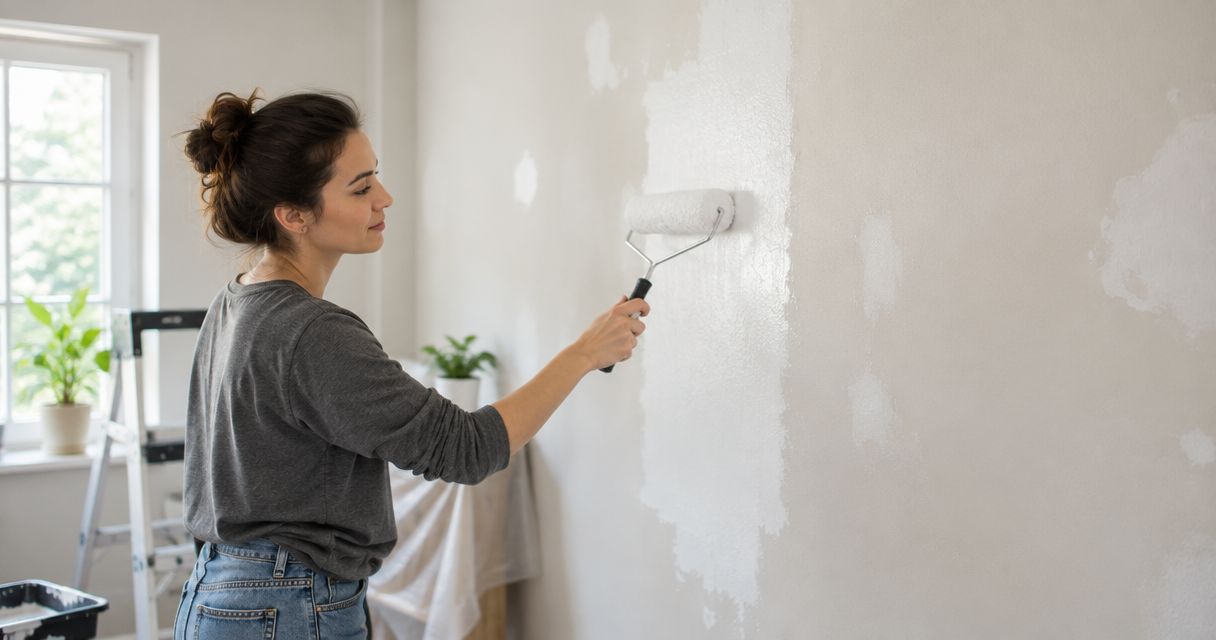
Look across the wall from the doorway and alongside the window. Raised patches, damaged corners, and uneven seams need attention before painting; changing sheen only changes how those defects catch the light.
A Finishing Touch Remodeling's painting and drywall services are relevant when your project includes both wall repairs and repainting. Put each repair into the written scope rather than treating preparation as an undefined preliminary task.
Compare samples
Use 2 sample boards: one for your preferred finish and one for the alternative, both in the same color. Follow the coating instructions when preparing and painting the boards.
Check them from 3 viewing positions: the doorway, beside the main window, and your usual seated position. Review them under daylight and the lamps you normally use. This is a comparison exercise, not a substitute for the manufacturer's application guidance.
Write the scope
Include these 4 checkpoints in your painting scope:
- Surface repairs: Identify damaged drywall, trim defects, and areas needing preparation.
- Paint specification: Record the manufacturer, product, color, and finish for each surface.
- Application requirements: Follow the selected coating's preparation and application instructions.
- Cleaning handover: Retain the curing and maintenance guidance for the finished surfaces.
Keep a finish record with your 2026 project paperwork. Knowing exactly what went on the wall makes later maintenance decisions clearer than a note that says only beige satin.
Which interior paint finish should you choose?
Choose satin if you want a straightforward starting point for busy interior walls. Use semi-gloss where you want more reflective doors and trim, eggshell in moderately busy rooms, and washable matte when low reflection is the deciding factor.
A Finishing Touch Remodeling is a local option for Conroe and Woodlands homeowners who need interior painting alongside drywall or carpentry work. Define the surfaces, repairs, and selected coatings before agreeing on the painting scope.
FAQ
What's the best paint finish for a high-traffic hallway?
Satin is the default recommendation for a high-traffic hallway wall. Choose a specific interior coating whose cleaning instructions match the fingerprints and marks you expect to remove.
Is satin better than eggshell for busy rooms?
Satin is the stronger starting recommendation for frequently cleaned walls, while eggshell suits moderately busy rooms where lower reflection matters. Compare the actual formulations because sheen names alone do not establish cleaning performance.
Should I use semi-gloss on all my interior walls?
No. Reserve semi-gloss for surfaces where you want a more reflective finish, such as suitable painted doors and trim; it makes broad-wall imperfections more noticeable.
Can I use matte paint in a room with children?
Yes, if the selected matte coating is intended for the cleaning the room requires. Check its washing and curing instructions rather than treating every matte formulation as interchangeable.
Does a shinier finish hide damaged drywall?
No. More reflective finishes make uneven patches and surface texture more apparent. Repair the drywall before painting instead of expecting the finish to conceal physical damage.
When can I wash newly painted walls?
Wash newly painted walls only when the coating manufacturer's instructions allow it. Dry-to-touch, recoating, and curing guidance describe different stages, so do not use surface dryness as permission to scrub.
What should I ask a painter before a high-traffic room repaint?
Ask for the exact coating, finish, preparation scope, and cleaning guidance for each surface. Discuss walls separately from doors and trim so the specification reflects how each surface is used.
One last thing
A scuff and damaged paint are not the same problem. Before rubbing harder, follow the coating's cleaning instructions and test the permitted method in an inconspicuous area; repeated abrasion is not a repair technique.
For a 2026 repaint, leave the project with a written surface-by-surface paint record. The useful decision is not just satin versus eggshell—it is the right coating on a properly prepared surface.