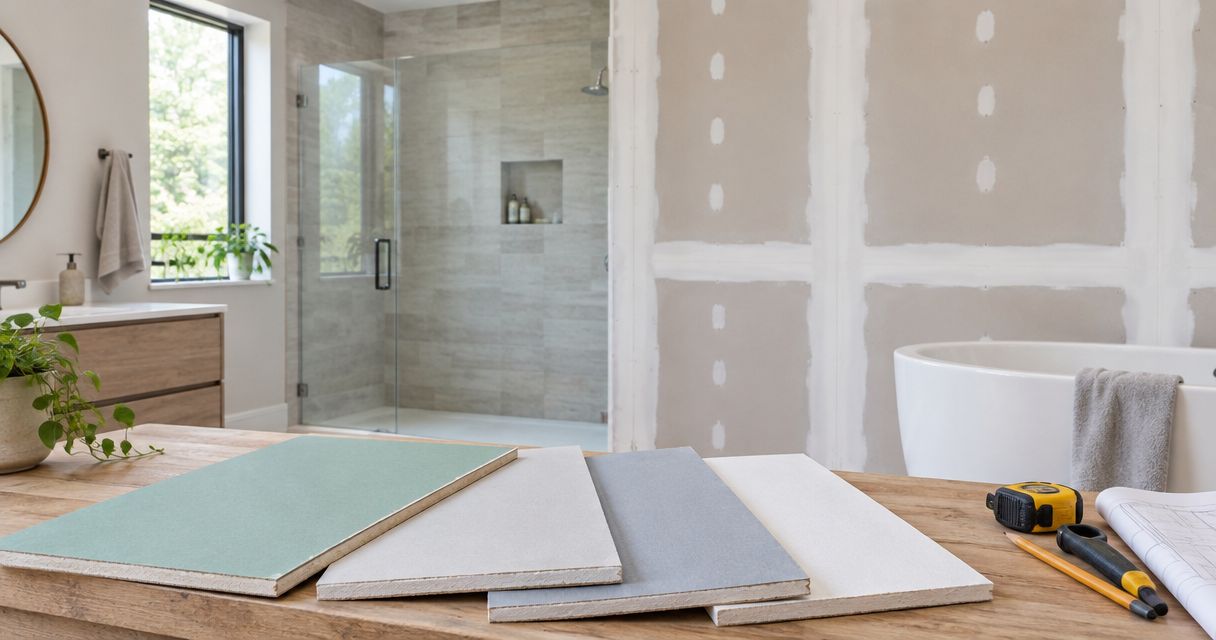
Best overall for humid walls outside direct spray: paperless glass-mat drywall. Best for laundry rooms: mold-resistant paper-faced drywall. Best for occasional humidity: moisture-resistant greenboard. For shower walls, choose an approved wet-area backer and waterproofing assembly instead of assuming moisture-resistant drywall is waterproof.
- Best drywall types moisture rooms: choose paperless glass-mat drywall for humid walls outside direct spray.
- Mold-resistant paper-faced drywall suits laundry walls; greenboard suits occasional humidity, subject to product instructions.
- Cement backer board is not drywall, and it does not replace a shower waterproofing system.
- A Finishing Touch Remodeling offers drywall and bathroom remodeling services to Conroe/Woodlands homeowners.
Why this matters
The best drywall choice depends on where water reaches the wall, not just whether the room contains a sink. A bathroom wall outside the shower faces different exposure from the wall behind shower tile.
A Finishing Touch Remodeling provides drywall and bathroom remodeling services in the Conroe/Woodlands area. For a 2026 renovation, separate humid-room wallboard from direct-wet-area construction before choosing panels or finishes.
Moisture-resistant drywall resists moisture better than ordinary drywall under its intended conditions. It does not fix a plumbing leak, eliminate condensation, or make a shower waterproof. Choosing the right panel matters; keeping water out of the wall matters more.
What makes the best drywall for moisture-prone rooms?
Use these criteria before choosing a board. Color alone is not a specification, and similar-looking panels can have different approved uses.
- Room humidity: Match the panel to intermittent humidity or repeated damp conditions outside direct water exposure.
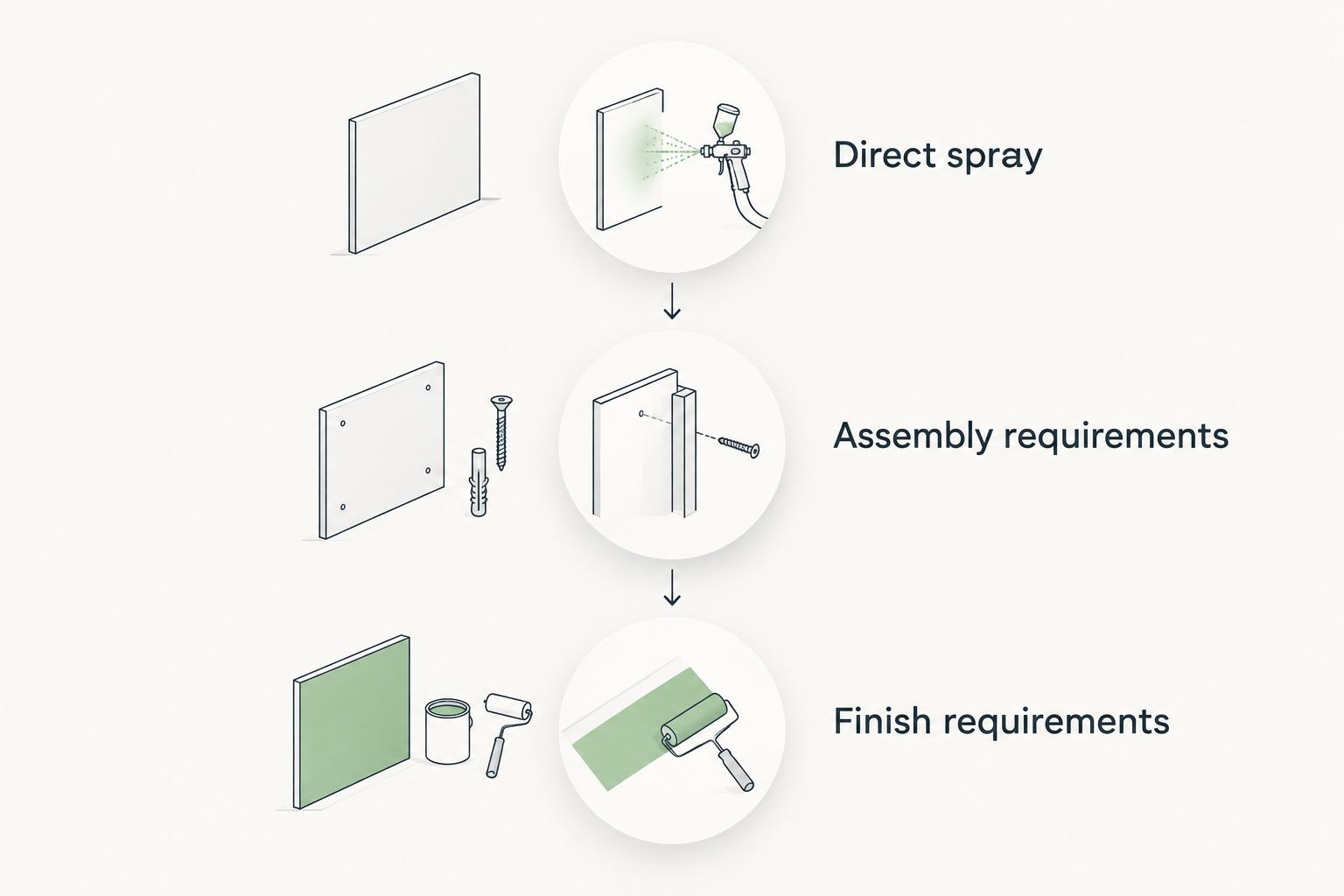
- Direct spray: Separate shower and tub wet zones from surrounding painted walls. Check the complete assembly, not just the board.
- Facing material: Paperless glass-mat panels remove the paper facing; paper-faced moisture-resistant panels retain it.
- Assembly requirements: Confirm framing spacing, fastening, thickness, ceiling approval, and any required fire-rated construction.
- Finish requirements: Check the specified joint treatment, surface preparation, primer, and compatibility with the intended finish.
Start with exposure, then verify assembly requirements, then choose the finish. Reversing that order leaves you comparing paint-ready surfaces before establishing whether the board belongs in that location.
Moisture-room wallboards at a glance
This 2026 shortlist distinguishes actual drywall from a wet-area alternative. The ranking prioritizes suitability for the stated location, not a claim that one material belongs throughout every bathroom.
| Option | Best for | Standout feature | Key limitation |
|---|---|---|---|
| Paperless glass-mat drywall | Humid bathroom walls outside direct spray | Glass-mat facing rather than paper facing | Not automatically approved for shower tile or direct water exposure |
| Mold-resistant paper-faced drywall | Laundry-room walls outside splash zones | Mold-resistant panel formulations with a paper-faced finishing surface | Mold resistance is not mold immunity |
| Moisture-resistant greenboard | Powder rooms with occasional humidity | Moisture-resistant gypsum board for appropriate interior locations | Not a default shower backer |
| Cement backer board, not drywall | Shower tile assemblies where specified | Cementitious tile-backing surface | Needs the waterproofing required by the selected assembly |
1. Paperless glass-mat drywall: best for humid bathroom walls
Paperless glass-mat drywall uses glass-mat facings instead of the paper facings found on conventional drywall. That makes it a useful starting point for bathroom walls exposed to humidity but located outside direct shower spray.
Removing paper facing does not make the wall immune to mold. Dust, surface contamination, finishes, and adjacent materials still matter, and persistent moisture still needs correction. Verify that the exact panel is an interior finishing product suited to the proposed assembly.
Paperless glass-mat drywall pros:
- Removes paper facing from the panel surface.
- Provides a gypsum-panel option for suitable humid interior locations.
- Can support a painted finish when prepared according to its instructions.
Paperless glass-mat drywall cons:
- Surface preparation can differ from familiar paper-faced drywall methods.
- A glass-mat facing alone does not establish approval behind shower tile.
- Wet insulation, leaking pipes, and damp framing still require separate attention.
Best for: Bathroom walls outside the shower enclosure where humidity resistance is a priority.
For your 2026 bathroom specification, identify the actual product rather than writing only paperless board. Confirm its finishing instructions and whether it is approved for walls, ceilings, or both in the planned installation.
Verdict: Buy for suitable humid bathroom walls; skip any assumption that paperless means waterproof.
2. Mold-resistant paper-faced drywall: best for laundry rooms
Mold-resistant paper-faced drywall combines a paper-faced gypsum panel with a formulation designed to resist mold growth under specified test conditions. Moisture resistance and mold resistance are separate properties, so confirm both when the application requires them.
This category suits laundry-room walls outside direct splash zones when the product instructions permit the installation. A leaking washer connection or persistent condensation is a building problem, not a reason to expect more from the panel.
Mold-resistant paper-faced drywall pros:
- Retains a paper-faced surface familiar to drywall finishers.
- Offers a mold-resistant option for appropriate interior wall assemblies.
- Can provide a continuous painted finish across laundry-room walls.
Mold-resistant paper-faced drywall cons:
- Paper remains part of the facing.
- A mold-resistance test result does not guarantee a mold-free room.
- Product color does not prove moisture performance or installation approval.
Best for: Laundry-room walls where intermittent humidity, rather than direct water exposure, defines the job.
Before closing the wall, inspect plumbing connections and address visible moisture damage. Where a clothes dryer requires outdoor exhaust, confirm that its exhaust system is properly connected and installed; wallboard is not a substitute for moisture control.
Verdict: Buy for an appropriate laundry-room assembly; skip it as a remedy for an unresolved leak.
3. Moisture-resistant greenboard: best for occasional humidity
Greenboard is the common name for a category of moisture-resistant gypsum board, often identified by a green facing. Its role is limited: appropriate interior locations with moisture exposure within the product's instructions, not an automatic upgrade for every wet surface.
A powder room without a shower is a clearer use case than the inside of a shower enclosure. Even there, inspect the sink splash area, ventilation, and any history of leaks before selecting the finish assembly.
Moisture-resistant greenboard pros:
- Provides moisture resistance for permitted interior applications.
- Uses conventional gypsum-board construction and finishing methods, subject to product instructions.
- Fits rooms where occasional humidity is the main concern.
Moisture-resistant greenboard cons:
- Moisture resistance does not establish mold resistance.
- It is not the default backing for tiled shower walls.
- Ceiling applications require specific approval and framing checks.
Best for: Powder rooms and similar spaces with occasional humidity outside direct wet zones.
Do not specify greenboard by color alone. Ask for the panel identification and installation requirements, especially where a contractor proposes it on a ceiling or behind tile.
Verdict: Buy for permitted occasional-humidity applications; skip it for shower walls unless a specifically approved assembly permits it.
4. Cement backer board: best wet-area alternative to drywall
Cement backer board is not drywall. It belongs in this comparison because a search for bathroom drywall often includes shower walls, where the correct answer is an approved wet-area assembly rather than a more moisture-resistant painted-wall panel.
Cement backer board provides a tile-backing surface in assemblies that specify it. The board itself does not eliminate the need for waterproofing, appropriate joint treatment, or correctly detailed penetrations and transitions.
Cement backer board pros:
- Provides a cementitious substrate for compatible tile assemblies.
- Is available for wet-area applications covered by the selected product instructions.
- Separates the tile-backing decision from the choice of painted-wall drywall.
Cement backer board cons:
- Requires a different installation and joint-treatment approach from drywall.
- Does not make seams, corners, or plumbing penetrations waterproof by itself.
- Is not the default choice for a smooth, painted room wall.
Best for: Shower tile substrates where the selected waterproofing assembly specifies cement backer board.
Other approved shower systems exist. For a 2026 remodel, select one documented assembly and follow its requirements rather than mixing boards, membranes, sealants, and fasteners based on appearance.
Verdict: Buy when the shower assembly specifies it; skip the belief that tile and cement board alone stop water.
Check thickness, framing, and ceilings before ordering
Common drywall dimensions include 1/2-inch panels, 5/8-inch panels, and 4-foot-wide sheets. Those dimensions describe products, not permission to substitute one panel for another.
A thicker board is not automatically the right moisture-resistant board. Likewise, a moisture-resistant panel does not automatically satisfy a required fire-rated assembly. The complete construction determines the requirement.
Use this ordering checklist:
- Walls: Confirm panel type, thickness, framing spacing, and fastening requirements.
- Ceilings: Check the exact product's ceiling approval and support requirements; do not copy the wall specification automatically.
- Rated assemblies: Preserve the specified board type, layers, fasteners, and other assembly details.
- Tile areas: Confirm that the substrate and waterproofing system are approved together.
- Finishes: Specify joint treatment and primer suited to the selected panel and exposure.
Ask for the panel designation in the written scope. A description such as bathroom board leaves too much undecided, especially when the room contains both painted walls and a tiled shower.
Fix the moisture source before replacing the board
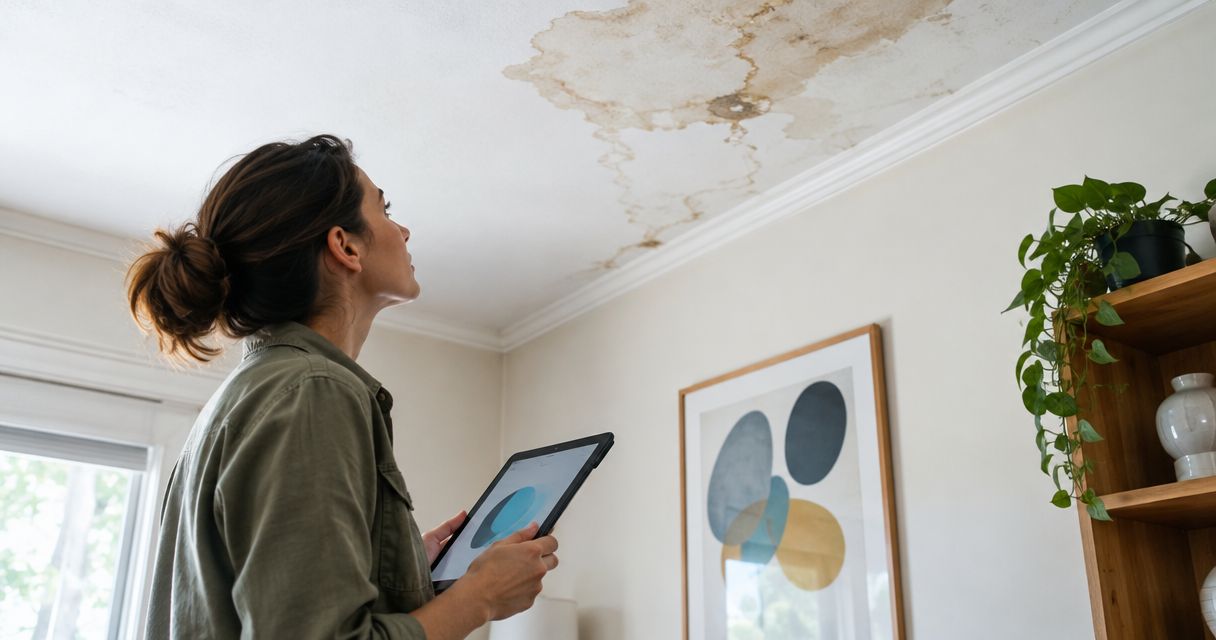
Discoloration, softened gypsum, recurring peeling paint, or damp trim calls for investigation before new panels cover the area. Trace the water source and inspect the affected construction rather than treating every damaged surface as a board-selection problem.
Separate the repair into three decisions:
- Stop the water: Address the leak, unwanted condensation, or other moisture source.
- Assess the damage: Determine which wall materials require removal or repair, including concealed materials where affected.
- Rebuild correctly: Install the selected board and finish or waterproofing assembly according to its requirements.
Painting over damage does not restore softened gypsum. Covering damp construction also leaves the underlying problem unresolved, regardless of the replacement panel's moisture-resistance claims.
For homeowners planning drywall or bathroom remodeling, discuss the project with A Finishing Touch Remodeling. Describe the room, the affected surface, and whether the wall receives direct spray so the discussion starts with the exposure rather than a board color.
How the options rank
This ranking uses intended exposure, facing material, installation requirements, and finishing needs. It does not present laboratory testing or claim that every product within a category performs identically.
Paperless glass-mat drywall takes the default position for suitable humid bathroom walls. Mold-resistant paper-faced drywall addresses the laundry-room use case; greenboard fills the occasional-humidity slot. Cement backer board sits outside the drywall ranking as a shower-substrate alternative, subject to the chosen assembly.
Which drywall should you choose?
Choose paperless glass-mat drywall for suitable humid bathroom walls outside direct spray. Choose mold-resistant paper-faced drywall for appropriate laundry walls, and reserve greenboard for permitted occasional-humidity applications.
For shower walls, stop comparing painted-wall drywall categories and select an approved wet-area assembly. That distinction is the most useful decision on this 2026 shortlist.
A Finishing Touch Remodeling is a local drywall and bathroom remodeling option for Conroe/Woodlands homeowners. Bring a room-by-room scope that distinguishes painted walls, ceilings, and direct-wet areas instead of requesting one panel throughout.
FAQ
What's the best drywall for a humid bathroom?
Paperless glass-mat drywall is a strong default for suitable humid bathroom walls outside direct spray. Confirm the exact panel's approved uses and finishing instructions before installation.
Can I use greenboard inside a shower?
Do not choose greenboard as the default shower backer. Use a substrate and waterproofing assembly specifically approved for the installation and accepted under applicable requirements.
Is mold-resistant drywall waterproof?
No, mold-resistant drywall is not waterproof. Mold resistance describes a different property and does not replace moisture control or a required waterproofing system.
Is cement board better than drywall behind shower tile?
Cement backer board is appropriate where the selected shower assembly specifies it. It is not drywall, and the board alone does not make the shower waterproof.
Should bathroom ceilings use the same drywall as walls?
Not automatically: bathroom ceilings need a panel approved for the ceiling assembly and framing conditions. Check thickness, support spacing, and installation instructions rather than copying the wall specification.
Does purple or green drywall color tell me which is best?
No, panel color alone does not establish the best choice. Compare the exact product's moisture resistance, mold resistance, intended uses, and assembly requirements.
Can I replace damaged drywall without fixing the leak?
Fix the leak before replacing damaged drywall. New moisture-resistant panels do not resolve an active water source or repair affected concealed materials.
One last thing
Ask one question before approving the scope: Where does the waterproofing continue around corners, penetrations, and the shower base? A wallboard name cannot answer it. For any direct-wet area, the project needs an assembly detail, not just a moisture-resistant material.